Events
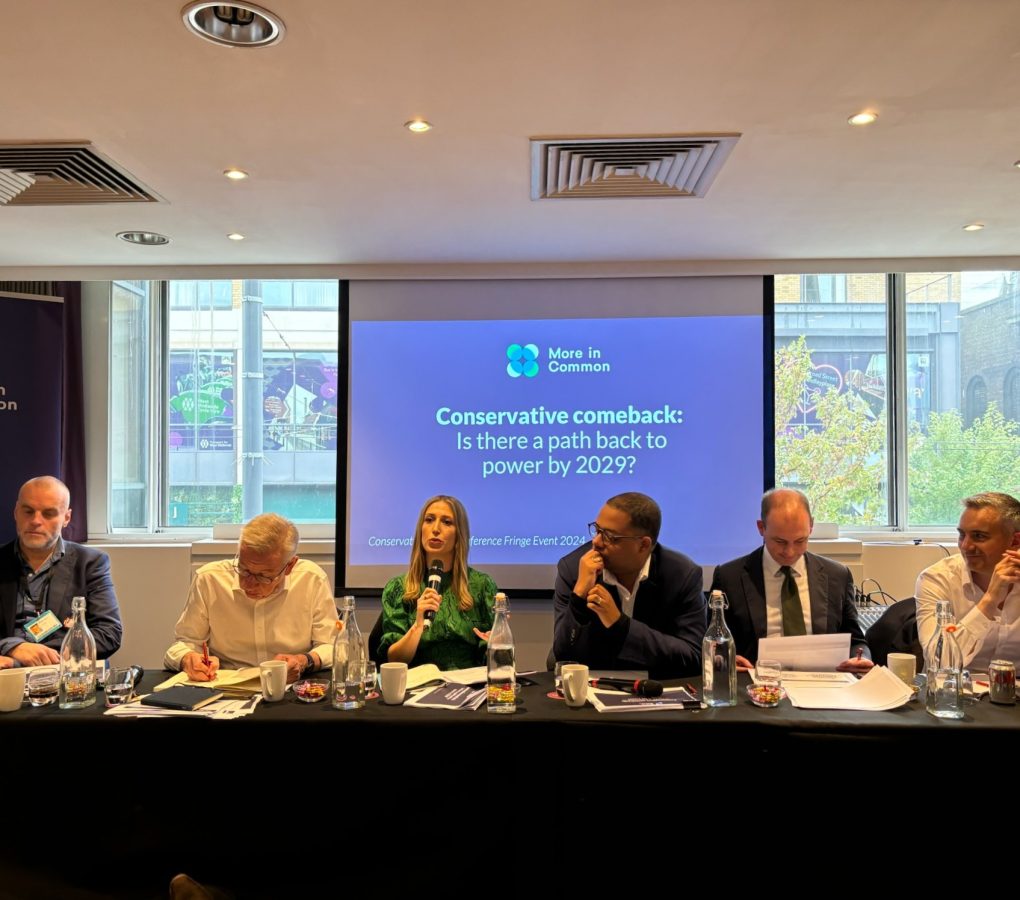
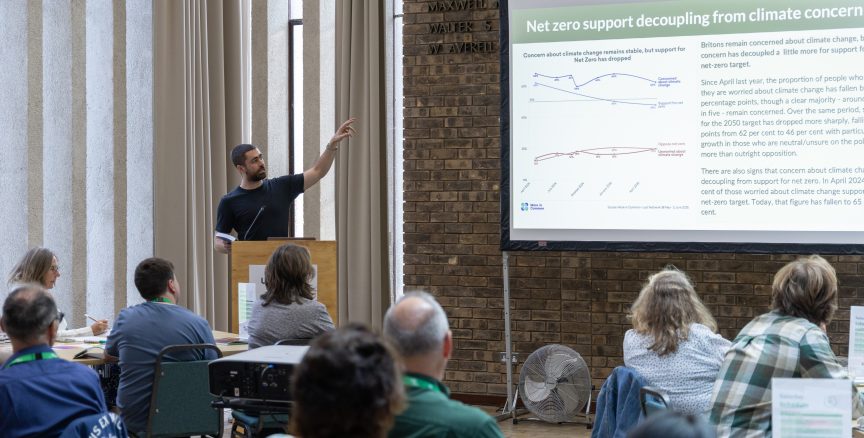
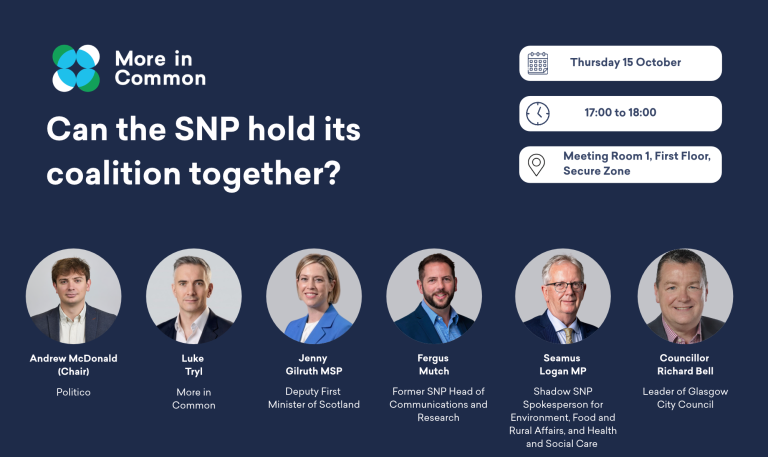
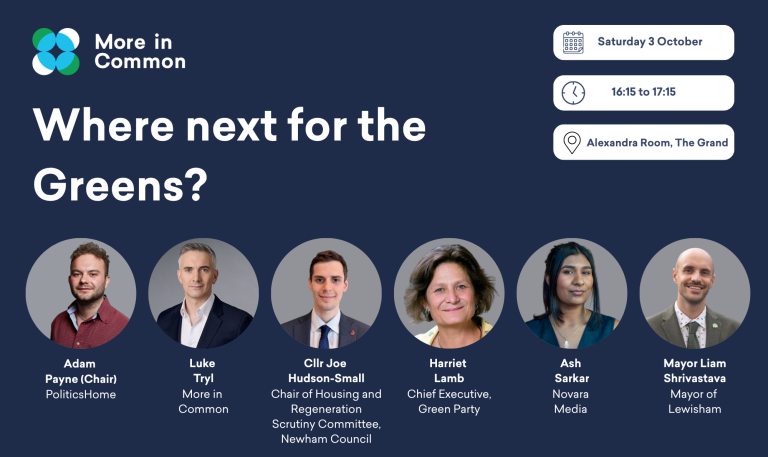
We regularly convene events, speak at conferences and deliver webinars, to share our latest insights and findings. Find out more about opportunities to hear about our research below.

As Scotland continues to wrestle with the constitutional question, and geopolitics are getting more uncertain and chaotic, how do Scots see their place in the world?
At a key moment in the peace process, Britain stands out for its unity on Ukraine. Our new international polling across Britain, France, Germany, Poland and the USA shows strong support for Ukraine, alongside widespread rejection of the proposed peace deal. It also shows how attitudes have shifted since our last cross-country poll in March 2025. Key findings: International public support for Ukraine remains steadfast: Clear majorities across the five countries sympathise with Ukraine, and believe that Ukraine’s defence is important to their own nations – figures that have remained stable over 2025. Across the five countries, majorities reject the proposed peace deal, saying that key elements of the deal are unacceptable and would hand victory to Russia. Britain leads in rejection of the Witkoff deal: Britons and Poles are the most likely countries to say that key elements of the deal are unacceptable. Wider concerns about the US President’s influence on the conflict, with more people across Germany, France, Britain and the US saying he has hindered the peace process than helped it. Even within the United States, fewer than a quarter (22 per cent) believe that Trump sympathises with Ukraine over Russia. And while 53 per cent of Republicans side with Ukraine, only a third (36 per cent) believe Trump does too. Most think that the stakes go far beyond Ukraine: Across all five nations, people believe that if Russia is rewarded with territory, it will embolden further invasions of other European countries. More than two-thirds in every country worry about the prospect of a wider war in Europe in the coming years. Britain is uniquely united on Ukraine: While other countries like Germany are polarised on the conflict, Britain stands out in its unity. Majorities of every voter group stand with Ukraine.
Britain’s changing views on the Israel-Palestine conflict
New More in Common polling for the Sunday Times takes a deep dive into Britons’ attitudes to global affairs in what the public sees as a “chaotic” and “dangerous” world.
Ahead the 2025 NATO summit, our new research into public attitudes on NATO finds that while the British public still thinks NATO is important, younger people are much more ambivalent – and many Britons have doubts about whether the US would fulfil its Article 5 obligation to the UK.
Following the government’s decision to cut the UK’s foreign aid budget, More in Common has been conducting polling and focus group research to understand what voters want to prioritise from the remaining aid budget. Using nationally representative polling and focus groups in Wolverhampton, Bristol and Ilford, several key insights emerge.
A major new study from More in Common based on polling of 7,000 people across France, Germany, the UK, The US and Poland has found that, despite the breakdown in relations between Donald Trump and his Ukrainian counterpart Voldoymyr Zelenskyy, there remains strong public support for Europe to stand by Ukraine.
Would emulating Donald Trump help or hinder Reform’s ascent? Having secured four million votes at the General Election, Reform UK has continued to build momentum. Since the General Election, the party’s vote share has risen around 10 points and they are now vying for first place with Labour and the Conservatives. However, new research from More in Common highlights potential liabilities associated with President Trump that Reform will need to overcome if they are to position themselves as a credible party of Government rather than protest.
Days before Keir Starmer’s visit to Washington, our research finds that Britain is watching the unfolding Ukraine negotiations with worry and anticipation. Over the past few weeks, concern over the conflict has risen; the proportion of Britons who rank Ukraine among the top issues facing the country has doubled since the beginning of February. Many fear that any resulting peace deal will leave Ukraine vulnerable and Europe sidelined, while others worry the conflict could escalate into a broader regional war. Despite this uncertainty, our polling shows that Britons remain resolute in their support for Ukraine – with opposition to Britain’s support for Ukraine limited to a small minority. As calls from international leaders grow for Europe to “achieve security independence” from the United States, the British public want a greater focus on security in what they view as an increasingly dangerous world.
Navigating public opinion on climate foreign policy
How Britons are navigating the Israel-Palestine conflict
Over the last two years, Britain has welcomed around 25,000 people from Afghanistan. The two year anniversary of the fall of Kabul provides a unique opportunity to reflect on what we have learnt since the Operation Pitting evacuation of Kabul.
Our research into the public’s starting points on international trade in post-Brexit Britain reveals that Britons want to see trade delivering on economic growth, jobs and choice for consumers – and shows a clear path for how they want that to happen.
Get the latest polling data, insights, and analysis delivered to your inbox.
We’ll never share your details. By signing up you agree to receive communications from More in Common. Read our Privacy Policy.